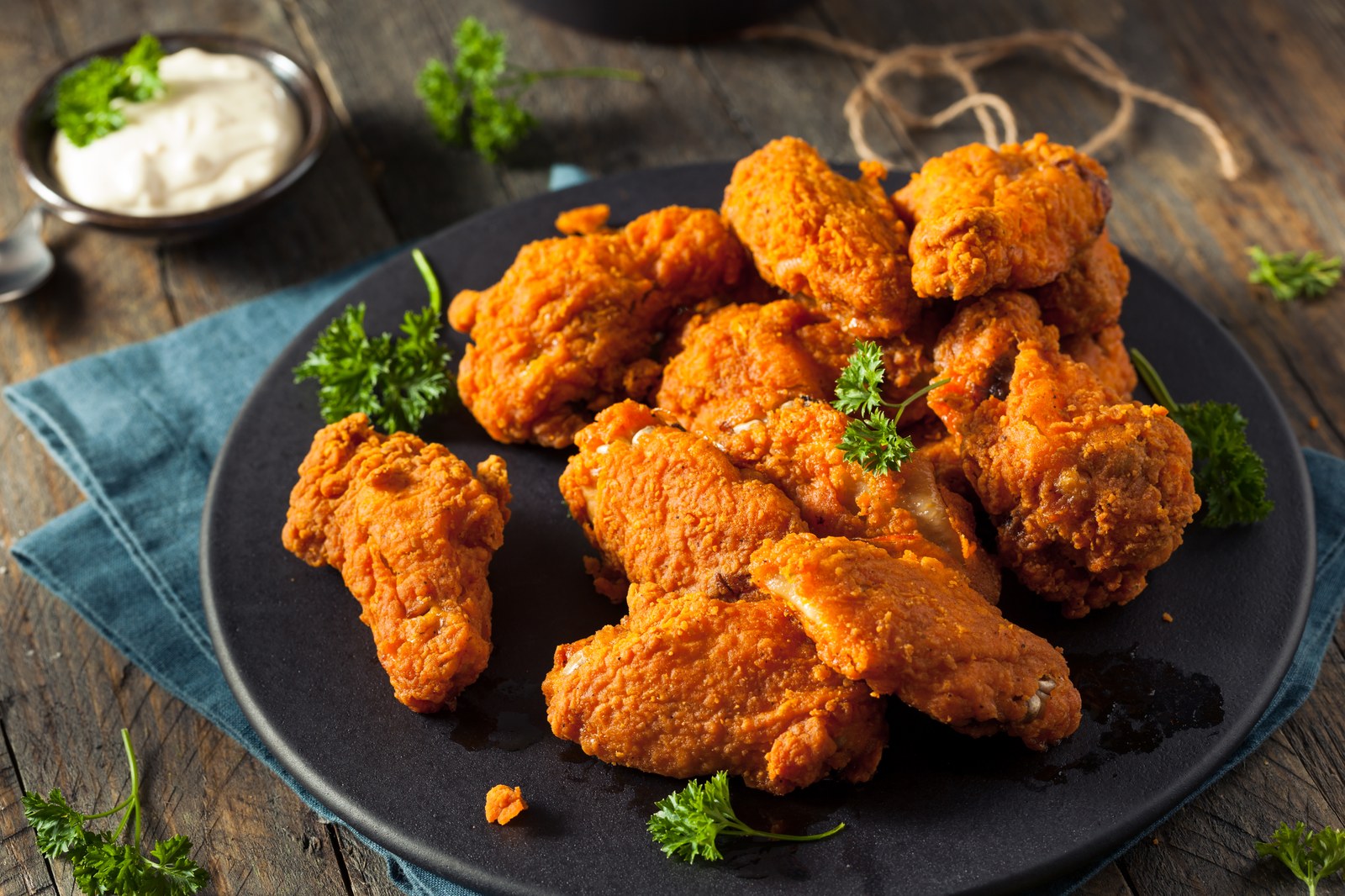
Before you cook
Background Recipe story & origin
Southern fried chicken emerged from two culinary traditions in colonial America. Scottish immigrants brought pan frying methods to the colonies in the 1600s and 1700s, a technique unusual in England where chicken was typically baked or boiled. Enslaved West Africans contributed seasoning knowledge and spice techniques that transformed simple fried chicken into a complex, flavorful dish. By the early 1800s, fried chicken became essential to Southern cooking, appearing in plantation kitchens and African American home cooking. The dish gained symbolic importance after the Civil War (1861 to 1865) as a marker of Southern identity and hospitality. Commercial fried chicken emerged in the 1930s through 1950s with roadside stands and diners. Recipes appeared in American cookbooks including The Settlement Cook Book (1901) and The Joy of Cooking (1931). This classic version follows mid century Southern home technique: seasoned flour coating, cast iron skillet frying, and temperature control for crisp crust and juicy meat. No buttermilk soak, no elaborate spice blends, just the foundational method that made fried chicken an American icon.
Before you start Equipment you'll need
- Cast iron skillet or heavy pot — Heavy bottom holds steady heat so oil temperature stays consistent and crust browns evenly without burning
- Wire cooling rack — Air circulates underneath so steam escapes and crust stays crisp instead of getting soggy
- Instant read thermometer — Confirms chicken reaches safe 165°F at the bone without cutting and losing juices
- Long tongs — 12 inch handles keep hands away from hot oil when turning chicken
- Rimmed baking sheet — Catches drips under cooling rack and contains mess
- Large mixing bowl — Wide bowl makes dredging easier and contains flour mess
Safety Safety & allergen notes
- Hot oil can splatter and cause burns. Lower chicken into oil gently using long tongs.
- Maintain oil temperature between 325°F and 350°F. Hotter oil burns coating before chicken cooks through, creating raw interior.
- Check internal temperature with instant read thermometer. Chicken must reach 165°F at thickest part near bone to kill bacteria.
- Use 12 inch or longer tongs to keep hands away from hot oil when turning chicken.
- If oil starts smoking, immediately reduce heat. Smoking oil is above safe cooking temperature and can ignite.
Non-negotiables Rules for success
-
Pat chicken dry thoroughly before seasoning.
Water on the surface creates steam when it hits hot oil. Steam prevents flour from adhering and browning, leaving you with pale, soggy coating instead of crisp golden crust.
-
Season both the chicken and the flour mixture.
Seasoning penetrates from two layers: salt on the meat itself and spices in the coating. Single layer seasoning creates uneven flavor where bites taste bland or over-seasoned depending on how much coating they have.
-
Let dredged chicken rest 10 minutes before frying.
Moisture from the chicken hydrates the flour, creating a paste that bonds coating to meat. Frying immediately causes dry flour to fall off in the oil, leaving bare patches.
-
Keep oil between 325°F and 350°F throughout frying.
Below 325°F, coating absorbs oil and turns greasy instead of crisping. Above 350°F, coating burns black before meat cooks through, leaving raw interior with charred exterior.
-
Rest fried chicken on a wire rack, never paper towels.
Hot chicken releases steam from the bottom. Wire rack lets steam escape so crust stays crisp. Paper towels trap steam against the coating, turning it soft and soggy.
Prep Get set first
About 10 min of prep
- Set wire cooling rack over rimmed baking sheet
- Have long tongs within reach of stove
- Have instant read thermometer ready
- Set up dredging station with large mixing bowl for flour
- Fill cast iron skillet with 1 inch of oil
Temperature control is everything. Oil too cool makes greasy chicken, oil too hot burns the outside while leaving the inside raw. Plan to monitor and adjust heat constantly throughout frying.
Ingredients
Instructions
Unlock Grouped Step Actions
Plus members get tap-to-check action steps and live ingredient swaps for this recipe.
-
Season the chicken
Pat chicken pieces completely dry with paper towels. Season all sides with salt and black pepper.
-
Mix the seasoned flour
In a large mixing bowl, whisk together flour, salt, black pepper, paprika, garlic powder, and onion powder until evenly combined.
-
Dredge the chicken
Press each chicken piece into the seasoned flour mixture, coating all sides evenly. Shake off excess flour. Transfer dredged chicken to wire cooling rack and let rest 10 minutes. The flour will hydrate and bond to the meat surface.
-
Heat the oil
Pour oil into cast iron skillet to depth of 1 inch. Heat over medium high heat to 325°F to 350°F, checking with instant read thermometer.
-
Fry the chicken
Using long tongs, gently lower chicken pieces into hot oil skin side down if applicable. Do not crowd the pan. Fry 12 to 15 minutes per side, turning as needed, until golden brown and crust is set. Adjust heat as needed to maintain oil temperature between 325°F and 350°F. Chicken is done when internal temperature reaches 165°F at the thickest part near the bone.
-
Drain and rest
Using long tongs, transfer fried chicken to wire cooling rack set over rimmed baking sheet. Let rest 5 minutes so juices redistribute and crust stays crisp.
-
Serve
Serve hot immediately for best texture and flavor.
Chef's notes
Store leftover fried chicken in refrigerator up to 3 days. Reheat uncovered in 375°F oven for 15 minutes to restore crust crispness.
Sprinkle a small pinch of salt on chicken immediately after removing from oil while still hot for enhanced seasoning.
Oil can be strained and reused once. Discard if it smells rancid or has dark particles.
Tomorrow's Meal
Fried Chicken Sandwiches
Cold fried chicken on soft bread with pickles and mayo. The crust stays crisp overnight in the fridge.
You'll need to pick up:
Quick overview:
- Split sandwich buns and spread mayonnaise on both cut sides.
- Place one piece of cold fried chicken on bottom bun.
- Top with 2 to 3 pickle slices.
- Add lettuce if using.
- Place top bun and press gently to compress.
- Serve immediately at room temperature or wrap and refrigerate up to 2 hours.