Before you cook
Background Recipe story & origin
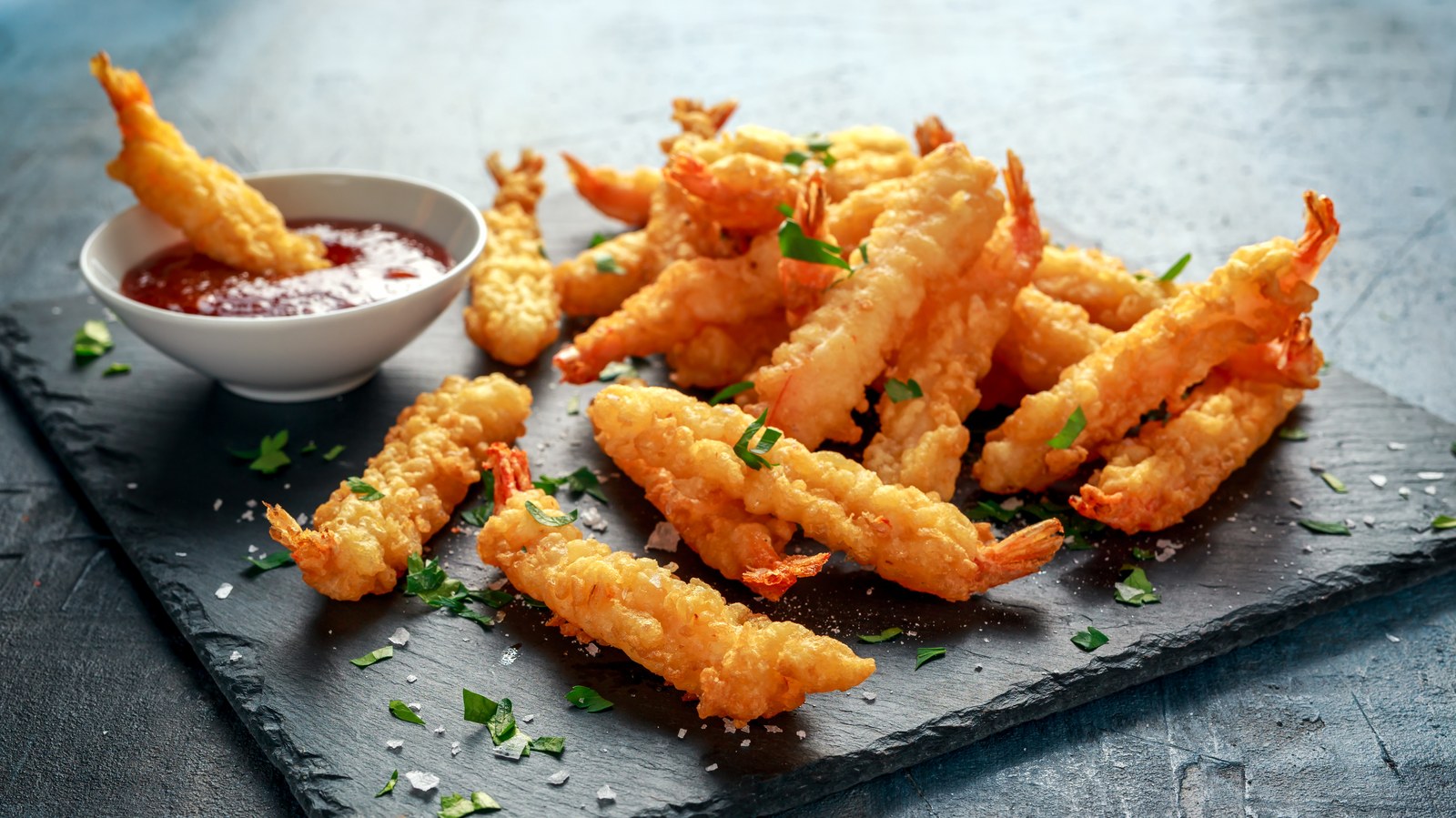
Tempura was introduced to Japan by Portuguese missionaries and traders in the 16th century, during the Muromachi period. The name may derive from the Latin 'tempora' (times), referring to Ember Days when Catholics ate fish instead of meat, or from the Portuguese 'tempero' (seasoning). Japanese cooks refined the technique, developing the light, crispy batter using cold water, egg, and flour mixed minimally to create a delicate coating. The batter should be lumpy; overmixing develops gluten, making it heavy. Traditional tempura uses sesame oil and maintains oil temperature precisely at 170-180°C. Items are fried briefly and served immediately with tentsuyu dipping sauce and grated daikon. Edo-period Tokyo refined tempura to high art; specialized restaurants (tempura-ya) serve omakase courses. The dish represents Japan's ability to adopt foreign techniques and make them distinctly Japanese.
Before you start Equipment you'll need
- deep pot or fryer — Provides deep oil bath for frying tempura at precise temperature to achieve light crispy coating
- thermometer — Monitors oil temperature precisely to maintain optimal frying conditions for light crispy tempura texture
- chopsticks — Essential tools for dipping ingredients in batter and turning tempura during frying for even cooking
Safety Safety & allergen notes
- Hot oil is dangerous; maintain temperature and never leave unattended.
- Cold batter and cold ingredients are essential; don't let them warm up.
- Wet ingredients splatter in oil; pat everything very dry.
Non-negotiables Rules for success
-
Use ice-cold water and a cold bowl.
Cold batter creates steam pockets when it hits hot oil, producing the light crispy texture
-
Mix batter minimally - lumps are good.
Overmixing develops gluten, making heavy, bready coating instead of light and crispy
-
Maintain oil at 340-360°F.
Temperature control is critical; too hot burns the coating, too cool makes it greasy
-
Fry in small batches.
Crowding drops oil temperature and creates soggy tempura
Prep Get set first
About 12 min of prep
- Chill bowl and water for batter
- Prep and dry all vegetables
- Devein and butterfly shrimp
- Make tentsuyu dipping sauce
- Set up frying station with rack
- Grate daikon and ginger for garnish
The secret to tempura is COLD batter and HOT oil. Chill everything and work quickly.
Ingredients
Instructions
Unlock Grouped Step Actions
Plus members get tap-to-check action steps and live ingredient swaps for this recipe.
-
Make the tentsuyu and prep ingredients
Combine dashi, soy sauce, and mirin in a small pot. Bring to a simmer, then remove from heat and keep warm. Butterfly shrimp by cutting along the back without cutting through. Pat all ingredients very dry. Grate daikon and ginger; set aside.
-
Make the batter
Place a metal bowl in the freezer for 5 minutes. Combine flour, cornstarch, and baking powder. Add beaten egg to ice water. Pour wet into dry and stir briefly with chopsticks, just 5 to 6 strokes. Batter should be lumpy with visible flour. Keep bowl over ice.
-
Fry the tempura
Heat oil to 350°F. Working in small batches: dip vegetables in batter, let excess drip off, and carefully lower into oil. Fry 2 to 3 minutes until light golden. For shrimp, dip and fry 2 minutes until pink and crispy. Transfer to wire rack. Do not crowd the pot.
-
Serve hot
Arrange tempura on plates lined with paper. Serve immediately with warm tentsuyu in small bowls. Add grated daikon and ginger to the dipping sauce. Eat immediately while hot and crispy.
Chef's notes
Tempura was introduced to Japan by Portuguese missionaries in the 16th century.
Traditional tempura uses sesame oil blended with vegetable oil.
The batter should be thin and lumpy, almost like dirty water.
Tempura is best eaten within seconds of frying.